

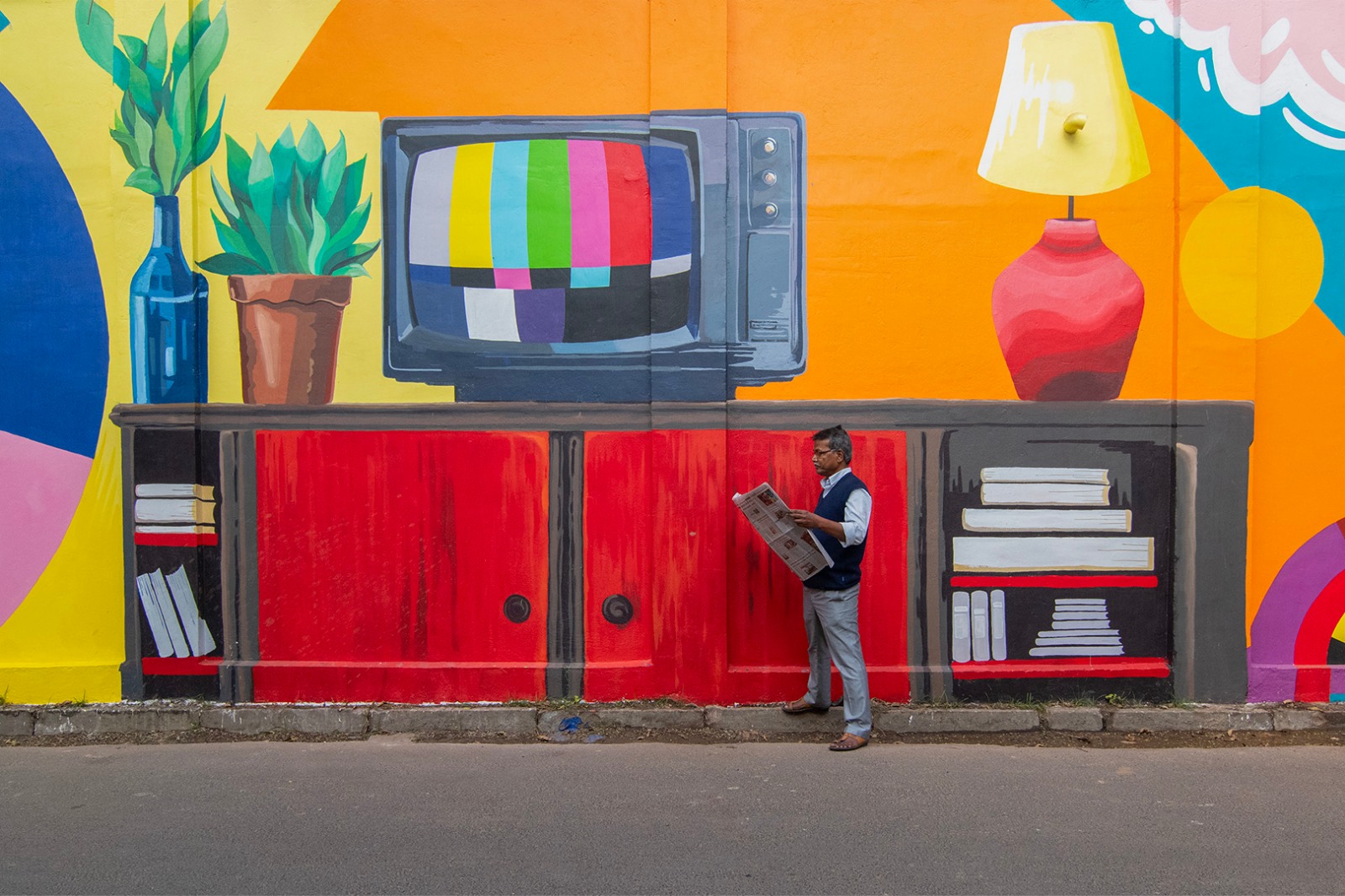
Santanu Bose, Kolkata, January 18, 2026 — In the heart of South Kolkata’s Ballygunge, a once-overlooked lane has been transformed into a sprawling, 8,200-square-foot open-air gallery. Deodar Street, now affectionately known as the “Colour Corridor,” has emerged as the centerpiece of the inaugural St+art Kolkata Festival 2025–26, turning the city’s traditional adda culture into a vivid visual narrative.
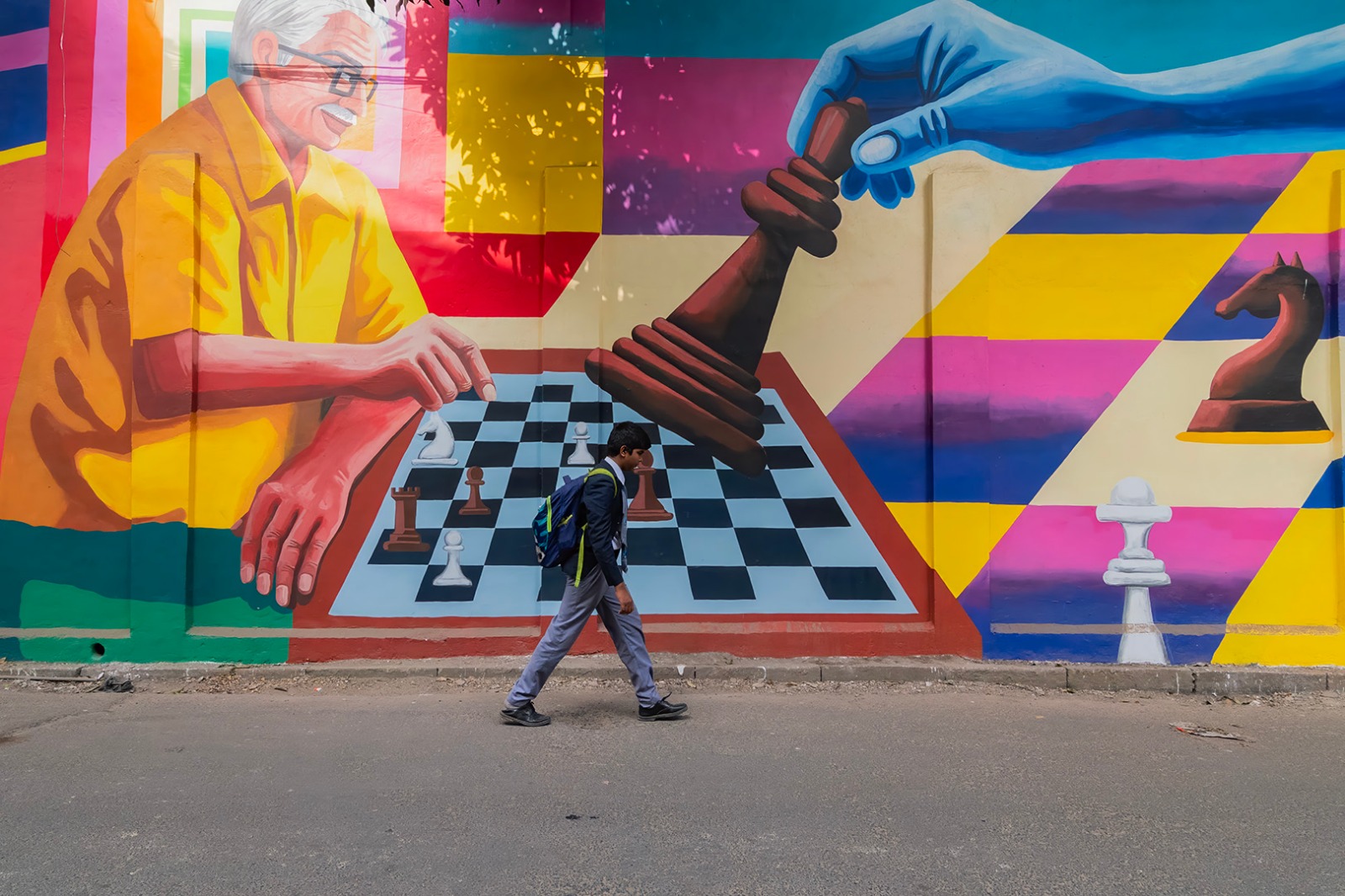 The Rise of the ‘Colour Corridor’ / Photo : Santanu Bose
The project, a collaboration between the St+art India Foundation and Asian Paints, was led by renowned visual artist Sayan Mukherjee. Unlike traditional murals that focus on faces, Mukherjee’s work on Deodar Street celebrates “home out of home” through everyday objects.
Visitors walking down the lane are greeted by larger-than-life depictions of:
- Vintage Nostalgia: Old letter boxes, gramophones, and grandfather chairs.
- Domestic Life: Pressure cookers, tea kettles, and rocking chairs.
- The Moving City: Hand-painted yellow taxis and trams – iconic symbols of Kolkata’s heartbeat.
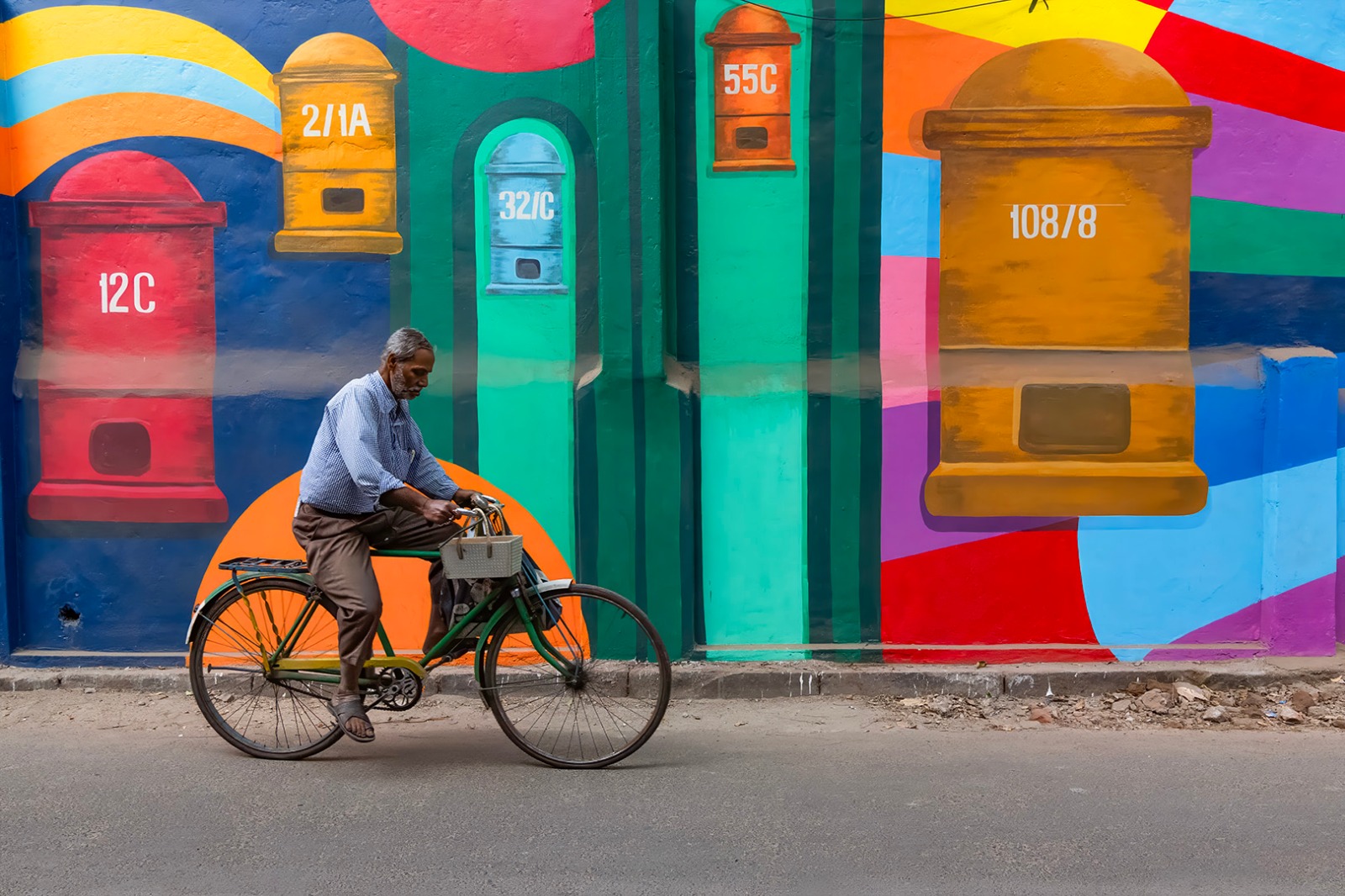 Deodar Street celebrates “home out of home” / Photo : Santanu Bose
The transformation is part of a broader initiative titled ADDA: The Third Space. The goal is to create a “third space” – somewhere between home and work – where citizens can pause, reflect, and engage with art as a lived experience rather than a distant exhibit. “We wanted to listen to the city’s pulse,” says the St+art team. “By bringing the gallery to the street, we blur the lines between private domestic life and public urban space.” The corridor isn’t just visual; it is a multisensory journey. The murals are complemented by excerpts from Rabindranath Tagore’s poem “Rangin” (Coloured), and certain sections of the street even feature augmented reality (AR) interventions that allow the art to “come alive” through a smartphone screen.
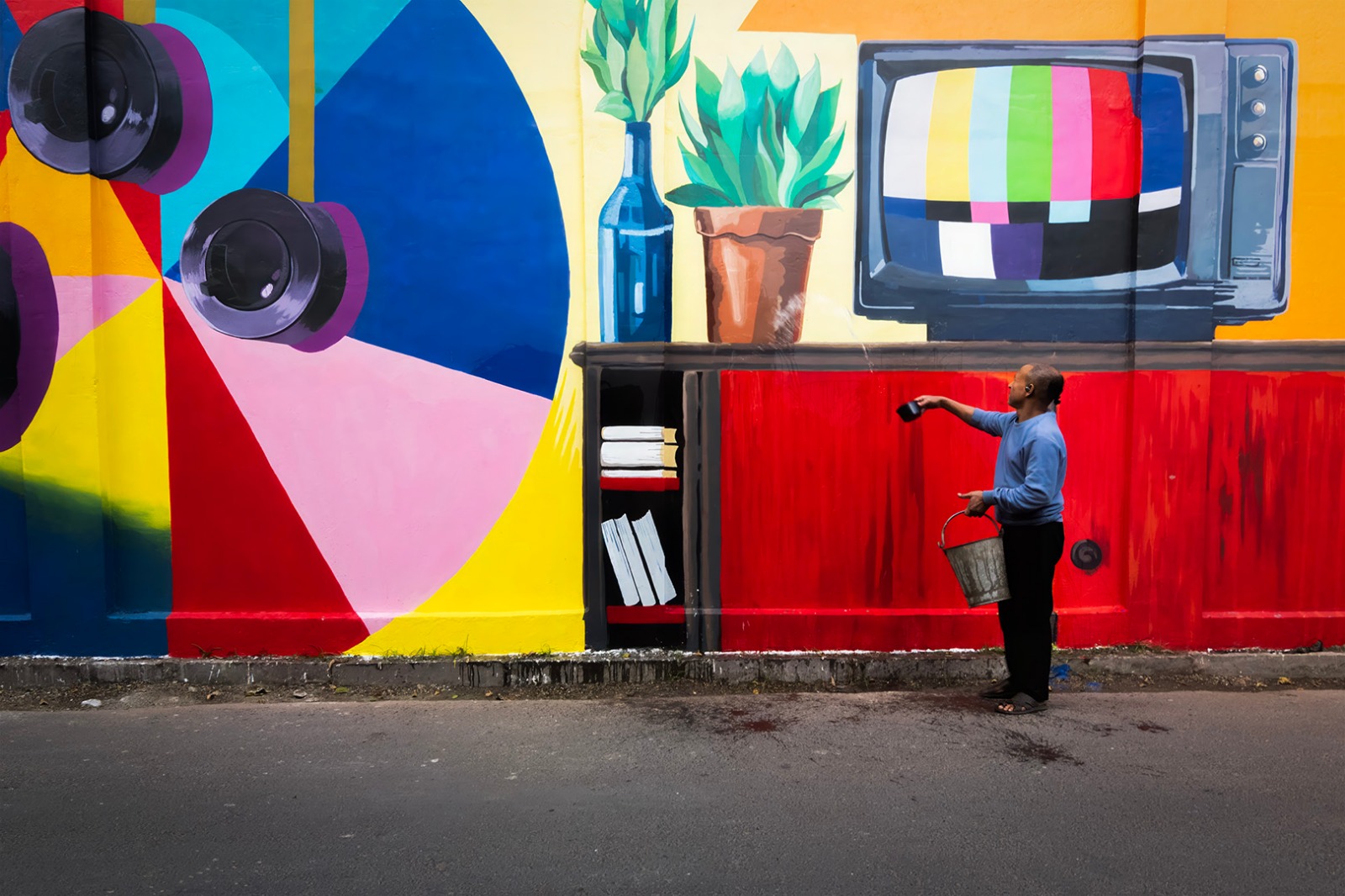 The Rise of the ‘Colour Corridor’ / Photo : Santanu Bose
Since its unveiling in late December 2025, Deodar Street has become a viral sensation, drawing photographers, students, and locals. Beyond the aesthetics, the project has revitalized the neighborhood. What was once a “dingy and dead” lane is now a safe, vibrant passage that encourages community gathering. The festival interventions, which extend across Ballygunge and into the TRI Art & Culture Centre, are scheduled to remain a permanent fixture of the neighborhood’s identity, proving that in Kolkata, every wall has a story to tell.



Superb❤️