




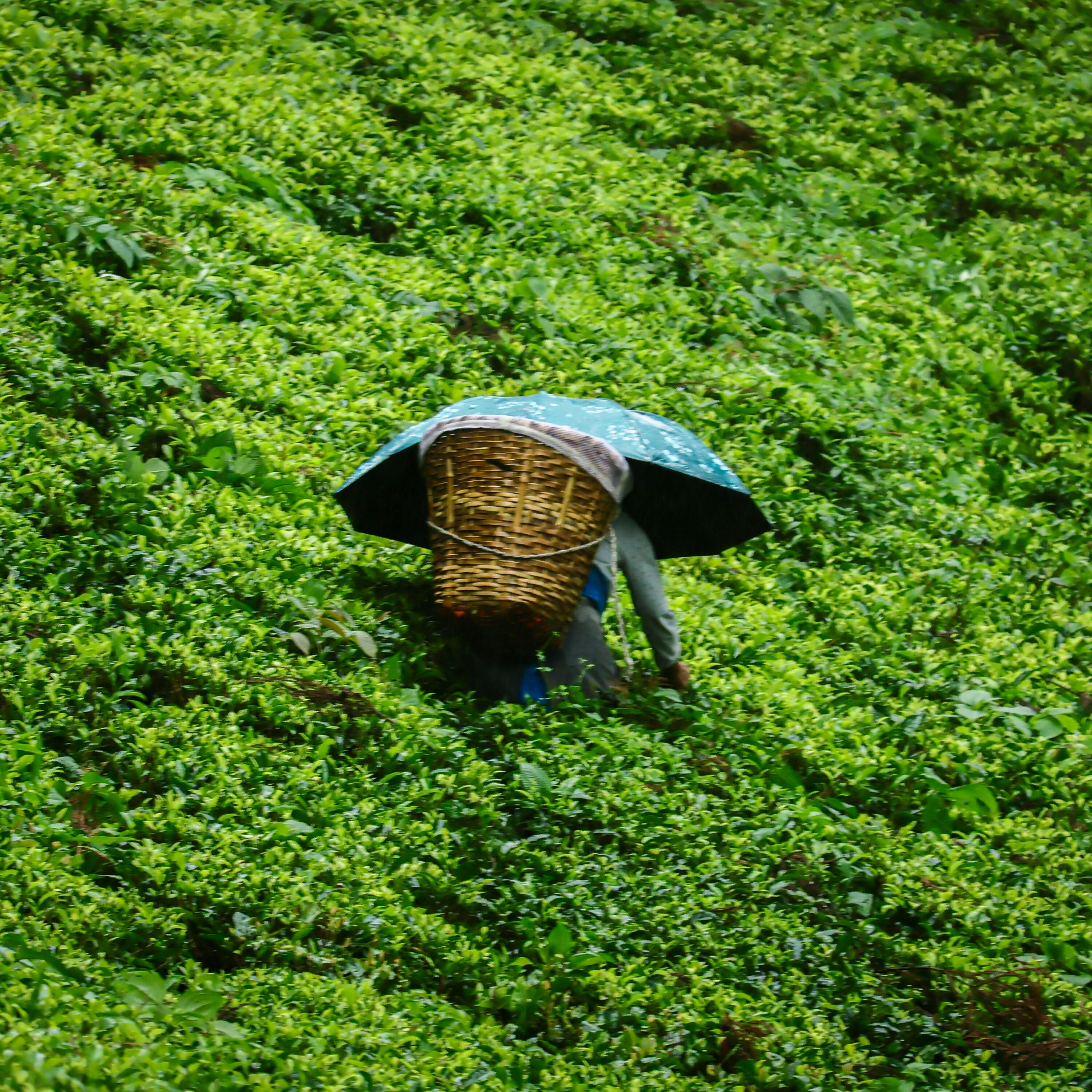
Tea, one of the world’s most beloved beverages, begins its journey not in a teacup, but on the hillside of a plantation, with the delicate and crucial process of plucking. Far from a simple harvest, tea plucking is an art form that directly determines the quality, aroma, and flavour profile of the final cup.
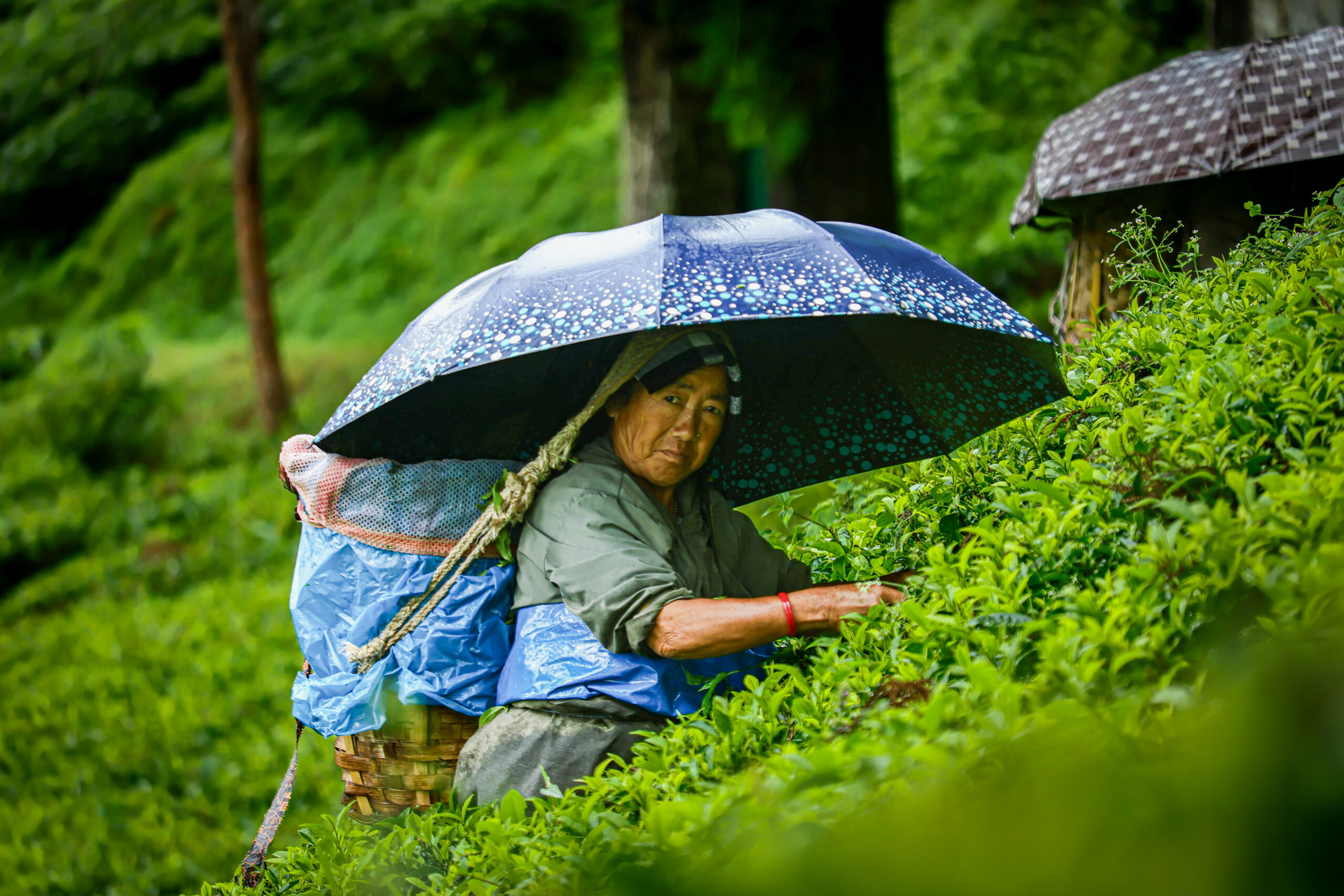 Tea plucking, Photo: Sudip Chanda
The Crucial Standard: “Two Leaves and a Bud” :
The quality of tea is intrinsically linked to the age and tenderness of the leaf harvested. The most revered and common standard for fine tea is the “two leaves and a bud” (often referred to as Pekoe plucking).
The Bud: The unopened terminal shoot, rich in flavour compounds and antioxidants.
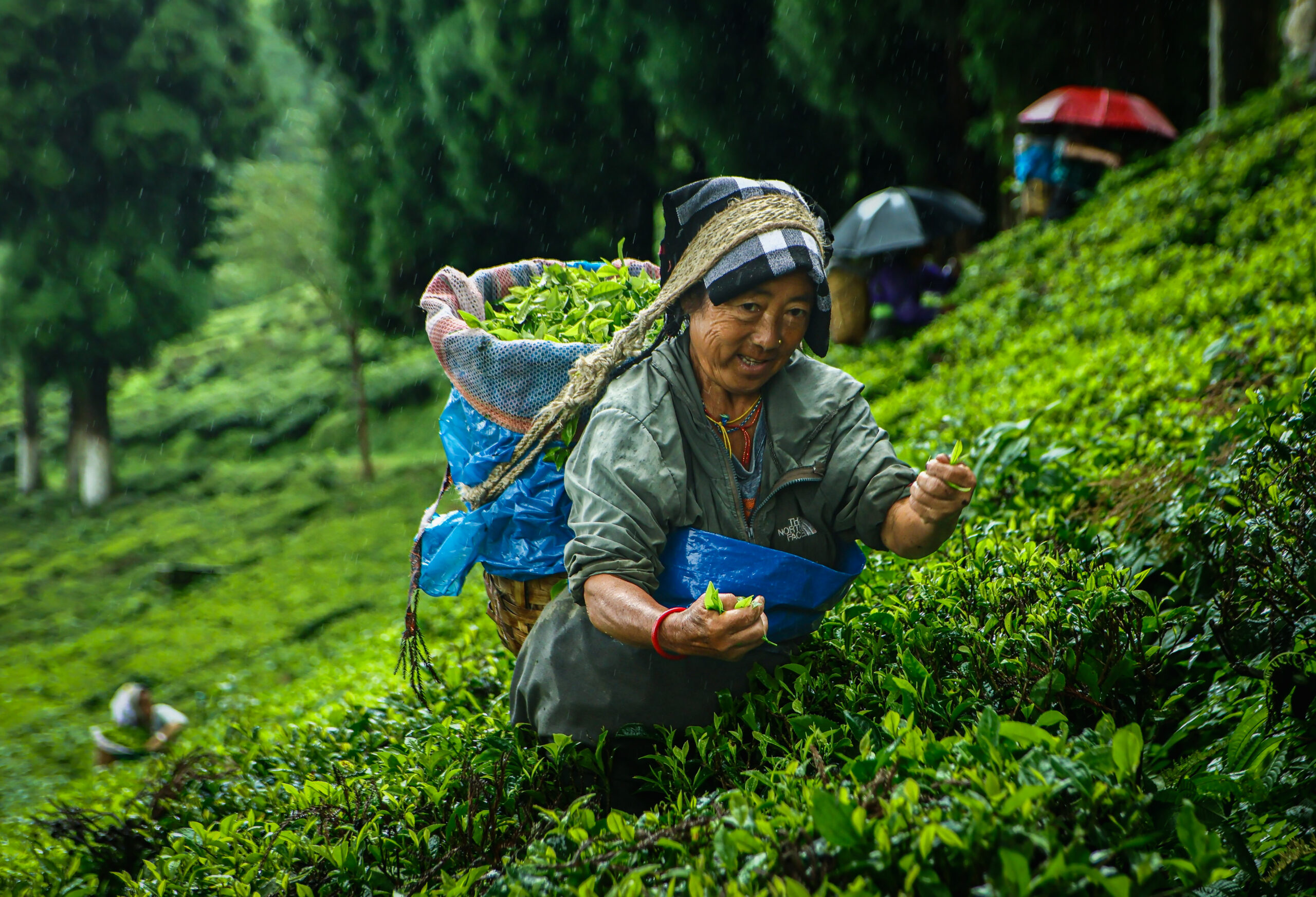 Tea plucking, Photo: Sudip Chanda
The Two Youngest Leaves: Tender and packed with essential oils.
This selective process, known as “fine plucking,” ensures the highest concentration of flavour and nutrients, yielding premium teas like Darjeeling First Flush or high-grade green teas. Conversely, “coarse plucking” includes older, larger leaves (up to three or four leaves below the bud). While this increases the yield and lowers the cost, the resulting tea typically has a less refined flavour.
The Rhythms of the Harvest:
Tea is not a one-time harvest; it grows in intermittent bursts of new shoots called “flushes.” Plucking occurs in rounds, with the interval typically ranging from 7 to 21 days, depending on the climate and season.
Seasonal Variation: Teas plucked in different seasons yield distinct characteristics. For instance, the highly-prized Spring Flush often produces the lightest and most fragrant teas, benefiting from the nutrient-rich dormancy of the winter.
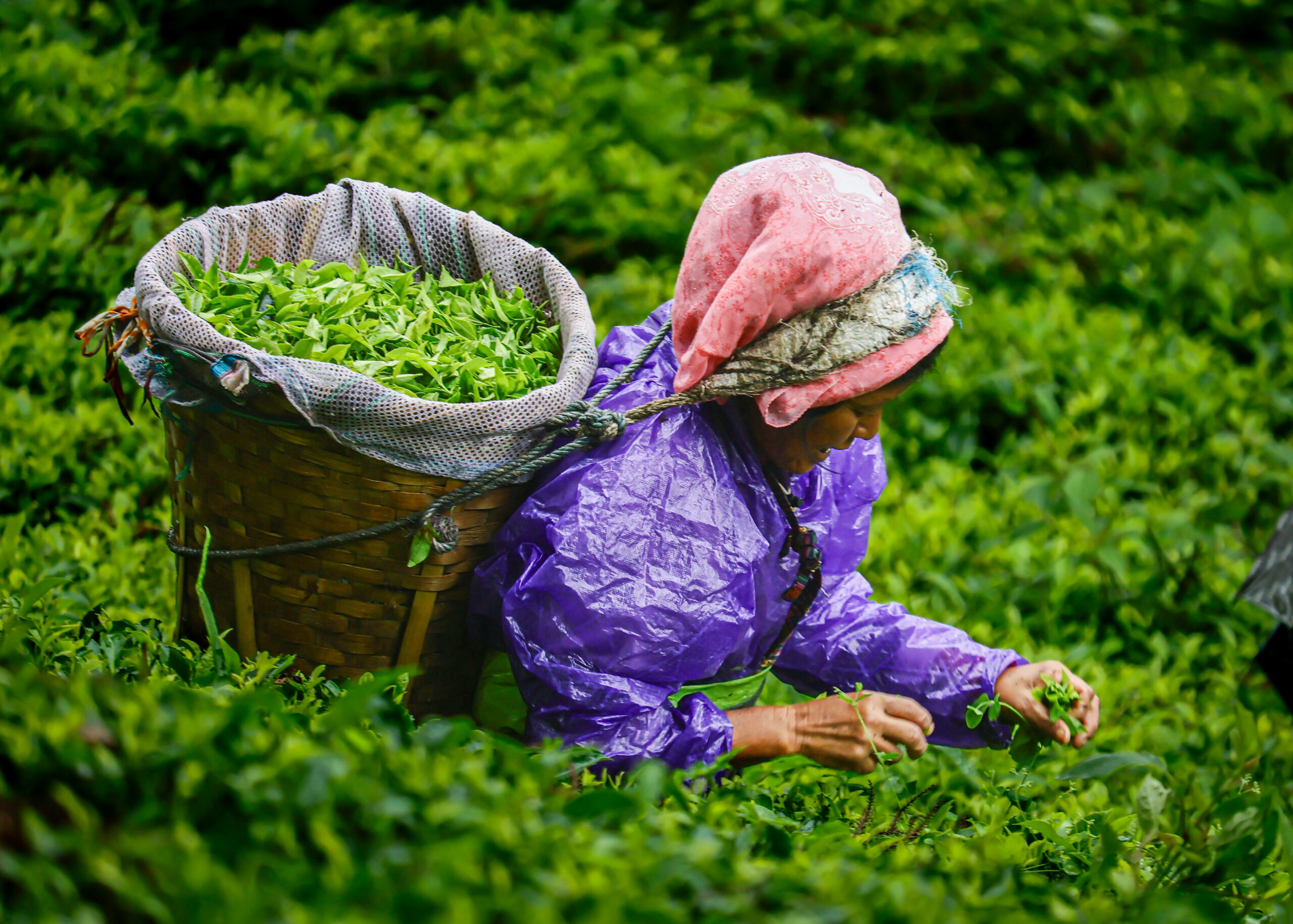 Tea plucking, Photo: Sudip Chanda
Climate is Key: In regions with year-round favourable weather, like parts of Kenya, plucking can occur continuously. In areas with distinct seasons, like Northern India or China, the harvest is seasonal, generally from spring to autumn.
The moment a tea leaf is plucked, its transformation begins. The chemical process of enzymatic oxidation immediately sets in. For this reason, the freshly harvested leaves must be transported quickly to the factory to begin the first official step of processing: withering. Tea plucking is more than just collecting leaves; it is the foundational step that sets the potential for flavour and quality. The dedication of the plucker, the timing of the harvest, and the standard of the leaf all play a profound role in crafting the diverse and delicious world of tea we enjoy globally. It is truly where the journey to a perfect cup begins.







👍
Thank You… Be connected with us..
Thank You. Be connected with us.